itnTV

VIDEO: One on One with Reed A. Omary, MD, MS, Vanderbilt University Medical Center

Radiology Business | July 30, 2024

Find actionable insights to achieve sustainability and savings in radiology in this newest of ITN’s “One on One” video series with Reed A. Omary, MD, MS, Vanderbilt University Medical Center (Nashville, TN). Tune in to "Promoting the Planet's Health: Sustainability in Radiology," to hear from a recognized leader about impactful, cost-saving initiatives radiologists, associations, healthcare systems and vendors can take, and why action is imperative.

Omary, the Carol D. and Henry P. Pendergrass Professor in the VUMC Department of Radiology, is a distinguished radiologist whose commitment to driving healthcare sustainability initiatives has gained both attention and momentum. After serving as Chair of the Department of Radiology and Radiology Sciences from 2012-2023, in June, 2023, Omary stepped away from his role as Chair to pursue a sabbatical focused on climate change and sustainable healthcare. He is author of The Green Leap, a blog about making healthcare sustainable, and founder of the Greenwell Project, a sustainable healthcare non-profit. He has presented a Plenary Lecture at the Radiological Society of North America (RSNA) Annual Scientific Sessions and American College of Radiology (ACR) meetings on the topic, and continues to connect with healthcare systems, vendors and colleagues to advance the issue.

Related content:

PHILIPS MARKS MILESTONE DURING HELIUM-FREE MRI INSTALLATION IN PUERTO RICO

RSNA 2022 PLENARY SPEAKER OMARY URGES RADIOLOGISTS TO SUPPORT PATIENTS, COMMUNITIES AND THE PLANET

RSNA 2022 PANEL DISCUSSIONS FORECAST RADIOLOGY IN 2027, AND HIGHLIGHT WHY MENTORS MATTER

Radiology Imaging

Orthopedic Imaging | January 03, 2020

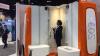
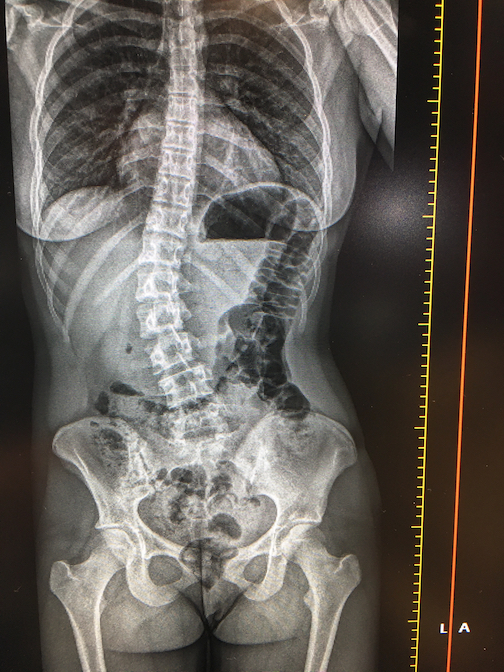
This is a demo of the EOS orthopedic X-ray imaging system at the recent 2019 Radiological Society of North America (RSNA) meeting. The system allows for weight bearing exams. EOS Imaging System the first technology capable of providing full-body, 2-D and 3-D images of pediatric patients in a standing position at a low dose of radiation. The vendor said the scans are much lower dose than computed tomography (CT).

EOS captures bi-planar images with two perpendicular X-ray beams that travel vertically while scanning the patient from head to toe. In less than 20 seconds, the EOS exam produces simultaneous frontal and lateral, low dose images. The two resulting digital images are processed by EOS' proprietary sterEOS software to generate a 3-D model of the patient's spine and/or lower limbs. These detailed images with only 20 seconds of radiation were previously unachievable before EOS technology.

Read more about the system and a recent install

VIDEO: Editors Choice of the Most Innovative New Radiology Technology at RSNA 2019

Photo Gallery of New Imaging Technologies at RSNA 2019

Find more news and video from RSNA 2019


Computed Tomography (CT) | December 26, 2019

Kevin Little, Ph.D., assistant professor and medical physicist, Department of Radiology, at The Ohio State University, explains how hospitals can better manage their computed tomography (CT) imaging protocols across their fleet of CT scanners from various vendors. He moderated a session on this topic at the 2019 Radiological Society of North America (RSNA) meeting.

He stressed the importance of CT protocol management to an imaging practice and showed examples of tools that can be used to develop consistent protocols across multiple systems. Little said it is important to develop awareness of the Management of Acquisition Profiles (MAP) IHE profile and features that should be requested from CT scanner vendors.

CT protocols, which include all clinical and technical parameters for a given study, are the starting point for achieving high-quality images with reasonable radiation and contrast doses. An imaging practice that desires to follow the "as low as reasonably achievable” (ALARA) principle and produce high-quality images should have standardized protocols across their enterprise. Accreditation standards require a periodic review of all scanner protocols. However, variations among vendors, models, and clinical indications mean that managing and optimizing dozens of parameters for each protocol on every scanner in a health system is challenging. Even when variations between systems are limited, managing protocol names and parameters across multiple systems can be difficult. The purpose of this symposium is to identify tools and techniques that may be used to manage protocols across multiple systems and to provide a framework for protocol optimization.

Magnetic Resonance Imaging (MRI) | December 20, 2019

James Carr, M.D., chair of the Department of Radiology, Northwestern University, and incoming 2020 President of the Society of Cardiac Magnetic Resonance (SCMR), explains why MRI is an ideal cardiac imaging modality, at the 2019 Radiological Society of North America (RSNA) meeting.

Heart MRI offers advantages over computed tomography (CT) and echocardiography because of its excellent soft tissue delineation and its ability to offer information beyond anatomical imaging, such as perfusion, morphology and metabolism. MRI can be technically challenging and the exams requiring a long time, but recent advances have helped cur cardiac imaging times down significantly. Automation and artificial intelligence (AI) also is making post-processing and quantification mush faster, brining it closer to the time it takes to scan and post-process CT imaging.
 
Northwestern is was one of the early adopters of cardiovascular MRI. Carr said heart MRI was not common in regular clinical use until the past decade at some luminary centers. In 2005, Carr was given the opportunity to develop a clinical cardiac MRI program at Northwestern.
 
He said MRI scanners have improved, and now much faster than a decade ago. They are also more optimized for cardiac imaging. While heart MRI is well known in large hospital centers, Carr said it still needs to develop and expand to community hospitals and rural hospitals outside major population centers. 

Artificial intelligence is playing a significant role in cardiac MRI automation of speeding workflow and quantification. Carr said these technologies will become mainstream in the next few years. AI also will play an increasing role in risk prediction based on new image analysis algorithms in development.

For more information on cardiac MRI, visit SCMR's website www.heartmri.org.

Radiation Dose Management | December 19, 2019

Mahadevappa Mahesh, Ph.D., chief of medical physicist and professor of radiology and medical physics, Johns Hopkins University, Baltimore, treasurer of the American Association of Physicists in Medicine (AAPM),a board member of the American College of Radiology (ACR), presented a late-breaking study on how medical imaging radiation dose has started to drop over the past decade. He is the co-chair of the National Council on Radiation Protection and Measures Report (NCRP), and presented the most recent NCRP data analysis at the 2019 Radiological Society of North America (RSNA) meeting.

The new NCRP 184 report covers the period between 2006 and 2016, the period of the most current CMS data. It shows a decrease of about 20 percent in the radiation dose the U.S. population receives from medical imaging, compared to the NCRP 160 that covered the period of up to 2006.

Key findings of the study include:

   • CT dose dropped about 6 percent, despite a 20 percent increase CT scans since 2006;

   • Drop of more than 50 percent for nuclear imaging scans, mainly due to fewer procedures being performed;

   • A 15-20 percent decrease across X-ray imaging modalities.

Mahesh says this shows the impact of using "as low as reasonably achievable" (ALARA) principals, new dose guidelines outlined jointly by numerous medical societies, and dose reduction initiatives like Image Wisely, Image Gently, and the American College of Radiology (ACR) Dose Index Registry.

He said there was growing concern a decade ago when the last council report was published, which showed a steep increase in radiation dose. This was mainly due to a rapid increase in the use of computed tomography (CT) and other types of X-ray based and nuclear radiotracer medical imaging. This prompted the ACR to create the Image Wisely program and push for the use of more thoughtful imaging doses based on patient size, using the "as low as reasonably achievable” (ALARA) principle. While CT dose was lowered, he said the biggest decline over all was in nuclear imaging.


Related Medical Imaging Radiation Dose Resources:

VIDEO: Radiation Dose Monitoring in Medical Imaging — an interview with Mahadevappa Mahesh, Ph.D.

The Basics of Radiation Dose Monitoring in Medical Imaging

How to Understand and Communicate Radiation Risk — Image Wisely

Radiation in Medicine: Medical Imaging Procedures

FDA White Paper: Initiative to Reduce Unnecessary Radiation Exposure from Medical Imaging

Radiation Dose in X-Ray and CT Exams

Radiation Dose from Medical Imaging: A Primer for Emergency Physicians

Radiation risk from medical imaging

FDA: Medical X-ray Imaging


Find RSNA news and other videos



RSNA | December 18, 2019

ITN Editor Dave Fornell and ITN Consulting Editor Greg Freiherr offer a post-game report on the trends and technologies they saw on the expo floor of 2019 Radiological Society of North America (RSNA) annual meeting. This includes artificial intelligence (AI), augmented reality, holographic imaging, cybersecurity and advances in digital radiography (DR) with a glassless detector plate, X-ray tomosynthesis, dual-energy X-ray and dynamic DR imaging. 

VIDEO: Editors Choice of the Most Innovative New Radiology Technology at RSNA 2019

Photo Gallery of New Imaging Technologies at RSNA 2019

Find RSNA news and other videos


Computed Tomography (CT) | August 21, 2019

This is a quick walk around of a mobile 32-slice computed tomography (CT) scanner used for surgery, brachytherapy and proton therapy on display by Mobius Imaging at the 2019 American Association Of Physicists in Medicine (AAPM) meeting. The system simply plugs into a standard wall outlet and all of the required hardware and software is built into the gantry. There is no need for an equipment closet, cabinet or server tower. The company said the CT system was created by some of the same developers who built the O-arm mobile CT system, but they said this CT scanner is much more compact.


Cardiac Imaging | July 30, 2019

Arthur Agatston, M.D., clinical professor of medicine, Florida International University, Herbert Wertheim College of Medicine, is the name-sake of the Agatston score used in CT calcium scoring. He explains the history of the scoring system from the early 1990s and the evolution of CT technology for cardiac imaging. The latest American Heart Association (AHA) 2018 cholesterol guidelines now include the use of CT calcium scoring, which was a big topic at the Society of Cardiovascular Computed Tomography (SCCT) 2019 meeting.


Related CT Calcium Scorining Content:

VIDEO: New Cholesterol Guidelines Support CT Calcium Scoring for Risk Assessment — Interview with Matthew Budoff, M.D.

CT Calcium Scoring Becoming a Key Risk Factor Assessment

ACC and AHA Release Updated Cholesterol Guidelines for 2018

VIDEO: CT Calcium Scoring to Screen For Who Should Take Statins — Interview with Matthew Budoff, M.D.


Find more SCCT news and videos


Computed Tomography (CT) | July 30, 2019

Cynthia McCollough, Ph.D., director of the Mayo Clinic CT Clinical Innovation Center, professor of medical physics and biomedical engineering and the 2019 president of the American Association of Physicists in Medicine (AAPM), shares her insights on the latest advances in computed tomography (CT) imaging technology. She spoke at the 2019 AAPM meeting. She also did an interview at AAPM on her president's theme for the 2019 meeting - VIDEO: Bridging Diversity in Medical Physics to Improve Patient Care.

Find more news and videos from AAPM.


Related CT Technology Content:

New CT Technology Entering the Market

VIDEO: Advances in Cardiac CT Imaging — Interview with David Bluemke, M.D.

Expanding Applications for Computed Tomography

VIDEO: Overview of Cardiac CT Trends and 2019 SCCT Meeting Highlights —Interview with Ron Blankstein, M.D., direct

VIDEO: 10 Tips to Improve Cardiac CT Imaging — Interview with Quynh Truong, M.D.

FFR-CT: Is It Radiology or Cardiology?

VIDEO: ITN Editor's Choice of the Most Innovative New Technology at RSNA 2018

VIDEO: Using Advanced CT to Enhance Radiation Therapy Planning — Interview with Carri Glide-Hurst, Ph.D.

VIDEO: Tips and Tricks to Aid Cardiac CT Technologist Workflow

Managing CT Radiation Dose

VIDEO: ITN Editor's Choice of Most Innovative New Cardiac CT Technology at SCCT 2017

New Developments in Cardiovascular Computed Tomography at SCCT 2017

VIDEO: Role of Cardiac CT in Value-based Medicine — Leslee Shaw, Ph.D.

Advances in Cardiac Imaging Technologies at RSNA 2017

VIDEO: The Future of Cardiac CT in the Next Decade — Interview with Leslee Shaw, Ph.D.

VIDEO: What to Consider When Comparing 64-slice to Higher Slice CT Systems — Interview with Claudio Smuclovisky, M.D. 

AAPM | July 23, 2019

Cynthia McCollough, Ph.D., director of the Mayo Clinic Computed Tomography (CT) Clinical Innovation Center, professor of medical physics and biomedical engineering, and the 2019 president of the American Association of Physicists in Medicine (AAPM), explains the "building bridges" theme of the 2019 AAPM meeting. 

This theme was the focus of her president’s address at the 2019 AAPM meeting. She spoke on the theme of diversity and how to break down the barriers between various minorities, male-female, religion, national origin, etc. She gave many photo examples of how we pigeon hole people into neat categories and that we often say we have equally in society, however her images showed recent images of big political summits where there are no women present, or they were the secretaries in the background. She said in medical practice, department administration and collaboration on projects, people need to be cognoscente of bias they have engrained by culture for which they may not even be aware.

She showed a slide of the AAPM membership makeup by generation and said members need to keep in mind the way each generation thinks and communicates varies by their generation's life experience and upbringing. McCollough said understanding these differences can help bridge perceived gaps in communication. 

Find more news and videos from AAPM.

Artificial Intelligence | July 03, 2019

Sudhen Desai, M.D., FSIR, interventional radiologist at Texas Children's Hospital, editor of IR Quarterly for the Society of Interventional Radiology (SIR) and on the Board of Directors for the Society of Physician Entrepreneurs, explained how artificial intelligence (AI) can assist in pediatric imaging and the pitfalls of training AI systems. He spoke at the 2019 Radiology AIMed conference

Deep learning algorithms require large amounts of patient case data to train the systems to read medical images automatically without human intervention. However, in pediatrics, there are often much lower numbers of normal and abnormal scans that can be used compared to vast amounts of adult exams available. This makes it difficult to train systems, so AI developers are coming up with innovative new ways to train their software. Compounding issues with training pediatric imaging AI is that the normal ranges change very quickly for young children due to their rapid development. He explained what is normal for a 2-year-old may not be normal for a 5-year-old.

Desai and other pediatric physicians who spoke at the conference said AI could have a big impact on pediatric imaging where there are not enough specialists for the increasing image volumes.


Related content:

VIDEO: Implementation of Artificial Intelligence Tools in Radiology Practice — Interview with Lawrence Tanenbaum, M.D.

VIDEO: AI That Second Reads Radiology Reports and Deals With Incidental Findings — Interview with Nina Kottler, M.D.

Technology Report: Artificial Intelligence at RSNA 2018

VIDEO: Implementation of Artificial Intelligence Tools in Radiology Practice

Artificial Intelligence | June 21, 2019

Lawrence Tanenbaum, M.D., Radnet vice president and chief technology officer, discusses some of the artificial intelligence (AI) products in radiology that are now commercially available and how AI developments will impact PET, MRI and CT imaging. He spoke at the 2019 Radiology AI-Med conference.

He said AI is helping medical imaging in the following areas:
   • Identify urgent findings and flagging these on the top of worklists.
   • Computer aided detection capabilities that go beyond the traditional to improve efficiency, boost diagnosis and highlight unexpected findings. 
   • Improving diagnostic image reconstruction
   • Tools to enhance the speed, resolution, radiation dose and overall quality of advanced imaging.

Learn more about what AI tools vendors are developing to help medical imaging in the following links:

Technology Report: Artificial Intelligence at RSNA 2018

VIDEO: Editor’s Choice of the Most Innovative New Artificial Intelligence Technologies at RSNA 2018

VIDEO: Artificial Intelligence May Assist in Pediatric Imaging — Interview with Sudhen Desai, M.D.

VIDEO: Editor's Choice of the Most Innovative New Technology at RSNA 2018

VIDEO: AI That Second Reads Radiology Reports and Deals With Incidental Findings — Interview with Nina Kottler, M.D.

VIDEO: RSNA Post-game Report on Artificial Intelligence

VIDEO: AI, Analytics and Informatics: The Future is Here — Interview with Michael Recht, M.D.


Advanced Visualization | May 16, 2019

This is an example of how virtual reality is being used in neuro-radiology to better evaluate patients using advanced imaging. This dataset shows a patient's brain MRI with fused tractography imaging for pre-operative planning. This was part of a 2018 Radiological Society of North America (RSNA) hands-on session by Vinodh Kumar, M.D., and Komal Shah, M.D., associate professors of radiology at MD Anderson Cancer Center.

Watch the VIDEO: Using Virtual and Augmented Reality to Examine Brain Anatomy and Pathology — an interview with Vinodh Kumar, M.D., and Komal Shah, M.D.

PACS | March 05, 2019

Cree Gaskin, M.D., professor, vice chair and associate chief medical officer, University of Virginia Health System, explains how new technology can be used to improve radiology reports without additional workload. His health system uses a new generation integrated RIS/PACS system that allows URL links and new graphical data presentations to be embedded into radiology reports to make them more interactive. This information can include quantifications, key images from the exam, access to full datasets, 3-D reconstructions and ability to immediately link to prior exams. He spoke is sessions on this topic at the 2019 Healthcare Information Management and Systems Society (HIMSS) conference.

Look through a photo gallery of other new technologies at HIMSS19. 

Find news and videos from HIMSS 2019.

Orthopedic Imaging | March 05, 2019

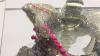
This is an example of a 3-D printed pelvis that had multiple hip fractures and a second printed pelvis is from a post surgical repair CT scan, showing the pins and plates in pink. This was on display at the GE Healthcare booth at the Healthcare Information Management and Systems Society (HIMSS) 2019 conference. The files for printing were created from the CT datasets using the AW Advanced Visualization software.

Look through a photo gallery of other new technologies at HIMSS19. 

Find news and videos from HIMSS 2019.


Information Technology | February 28, 2019

Andrew Deutsch, M.D., MBA, chairman and CEO of Renaissance Imaging Medical Associates (RIMA), an affiliate of Radiology Partners, describes RIMA’s use of an artificial intelligence (AI) based worklist workflow to manage reads across 70 sites and load balance between 120 radiologists. He spoke in sessions on this topic at the 2019 Healthcare Information Management and Systems Society at (HIMSS) conference.  

Deutsch, a nationally respected expert in skeletal radiology and magnetic resonance imaging (MRI) and in addition to his roles at RIMA, serves as medical director of the imaging departments at Northridge Hospital Medical Center and Valley Presbyterian Hospital.

Look through a photo gallery of other new technologies at HIMSS19. 

Find other news and video from HIMSS 2019. 


Related AI Coverage:

VIDEO: Editor’s Choice of the Most Innovative New Artificial Intelligence Technologies at RSNA 2018

VIDEO: Technology Report: Artificial Intelligence

How to Market Healthcare Artificial Intelligence Software

Selecting an AI Marketplace for Radiology: Key Considerations for Healthcare Providers

Angiography | February 08, 2019

This is an example of an arterial venous malformation (AVM) in the brain imaged on a Canon Alphenix Alpha angiography system. It shjows a contrast injection highlighting the vessels, which have been color coded to show the position of the veins and arteries involved in this vascular defect. 

Read more about advances in angiography imaging systems. 

RSNA | January 25, 2019

ITN Editor Dave Fornell takes a tour of some of the most interesting new medical imaging technologies displayed on the expo floor at the 2018 Radiological Society of North America (RSNA) meeting. The video includes new technologies for fetal ultrasound, CT, MRI, mobile DR X-ray, a new generation of fluoroscopy systems, MRI contrast mapping to better identify tumors, and a new technique to create moving X-ray images from standard DR imaging.

Watch the related VIDEO: Editor’s Choice of the Most Innovative New Artificial Intelligence Technologies at RSNA 2018. This includes a tour of some of the recently FDA-cleared AI technologies for medical imaging at RSNA 2018. 


Cardiac Imaging | January 09, 2019

Robert Quaife, M.D., director of advanced cardiac imaging, University of Colorado Hospital, explains why advanced imaging techniques are required to tackle complex transcatheter procedures and structural heart interventions. The University of Colorado Hospital helped develop the Philips EchoNavigator live image fusion technology, and this video offers an overview of how it came to be and where the technology is going.

Watch the related VIDEO: Evolution of Transcatheter Mitral Valve Repair at the University of Colorado, which shows exaplmes of the navigation technology is use during a MitraClip procedure. 


Additional videos and coverage of the University of Colorado Hospital


Radiation Therapy | September 07, 2018

A discussion with Ehsan Samei, Ph.D., DABR, FAAPM, FSPIE, director of the Duke University Clinical Imaging Physics Group and head of the Duke medical physics graduate program. He spoke on this topic at the American Association of Physicists in Medicine (AAPM) 2018 meeting.

Radiomics | August 09, 2018

A discussion with Martin Vallieres, Ph.D., post-doctoral fellow at McGill University, Montreal, Canada. He spoke on this topic in sessions at the American Association of Physicists in Medicine (AAPM) 2018 meeting. He explains radiomics and how it can be used in both medical imaging and radiation therapy. 

Read the related article "Hidden Information Behind Imaging Tests for Cancer May Unlock New Approaches to Radiation Therapy."

Read the related article "Computer Program Beats Physicians at Brain Cancer Diagnoses."

For other AAPM 2018 videos and coverage

Digital Radiography (DR) | August 03, 2018

Sheila Sferrella, president of Regents Health Resources and Bill Finerfrock, president of Capitol Associates, discuss the national progress in transitioning from computed radiography (CR) to digital radiography (DR) systems. Sferrella is the chair and Finerfrock is a member of the AHRA Regulatory Affairs Committee. 

Watch the related Technology Report on Digital Radiography Systems

Watch part 1 of the conversation with Sferrella and Finerfrock on clinical decision support updates

Watch part 3 on site-neutral payments

AAPM | August 03, 2018

Ehsan Samei, Ph.D., DABR, FAAPM, FSPIE, director of the Duke University Clinical Imaging Physics Group and head of the Duke medical physics graduate program, explained this new program at the American Association of Physicists in Medicine (AAPM) 2018 meeting.

Additional AAPM news and videos

Artificial Intelligence | August 01, 2018

A discussion with Steve Jiang, Ph.D., director of the medical artificial intelligence and automation lab and vice-chair of the Department of Radiation Oncology, University of Texas Southwestern. He spoke in sessions at AAPM 2018 about how AI will change treatment planning, radiation oncology and medical imaging.

Watch the VIDEO: Real-world Implementation of Deep Learning for Treatment Planning — a discussion with Kevin Moore, Ph.D., DABR, deputy director of medical physics and associate professor, University of California San Diego, about his daily clinical use of an artificial intelligence treatment planning software. 

Other coverage from the AAPM 2018 meeting.


#AAPM2018

Radiology Imaging | February 15, 2018

David Widmann, president and CEO of Konica Minolta, looks at what the future of healthcare can bring to its customers, focusing on the imaging space.

Radiology Imaging | February 15, 2018

Kiyotaka Fujii, global healthcare senior executive officer and president of Konica Minolta, discusses the company's medical strategy as it grows into precision medicine.

January 24, 2018

ITN Editor Dave Fornell previews the launch of augmented reality (AR) technology in the January/February 2018 issue of ITN. Augmented reality brings new depth to print content through your smartphone by connecting to related videos and other resources.

Artificial Intelligence | December 21, 2017

ITN and DAIC Editor Dave Fornell shows several examples of how vendors are incorporating AI, deep learning algorithms into their medical imaging information system and the modalities themselves to speed workflow, improve imaging accuracy, improve reimbursements, monitor analytics in real time and eliminate the need for humans to do tedious, time consuming tasks. These examples were seen on the show floor at at the Radiological Society of North America (RSNA) 2017 meeting.  For more on deep learning, watch the VIDEO "Deep Learning is Key Technology Trend at RSNA 2017," and an interview with Adam Flanders, M.D., chair of the RSNA Radiology Informatics Committee, in the VIDEO "How Utilization of Artificial Intelligence Will Impact Radiology." ITN also created an indepth VIDEO Technology Report — Artificial Intelligence at RSNA 2017  with interviews with numerous AI vendors.

Watch the VIDEO “Editor’s Choice of the Most Innovative New Imaging Technology at RSNA 2017.”


RSNA 2017 | December 20, 2017

ITN and DAIC Editor Dave Fornell takes a tour of some of the most interesting new medical imaging technologies on the expo floor at the 2017 Radiological Society of North America (RSNA) meeting. Watch the editor’s choice video for new health IT technologies at HIMSS 2017, new advances in cardiac ultrasound at ASE 2017, and CT advances at the SCCT 2017 meeting.

Artificial Intelligence | December 19, 2017

A post-game roundup by ITN Contributing Editor Greg Freiherr and ITN Editor Dave Fornell on the key trend of artificial intelligence seen on the show floor at the Radiological Society of North America (RSNA) 2017 meeting.

For more on artificial intelligence at RSNA 2017, watch the VIDEO "How Utilization of Artificial Intelligence Will Impact Radiology." For more trends in imaging, watch the VIDEO "Key Imaging Technology Trends at RSNA 2017." ITN also created an indepth VIDEO Technology Report — Artificial Intelligence at RSNA 2017  with interviews with numerous AI vendors.

RSNA 2017 | December 15, 2017

A post-game roundup by ITN Contributing Editor Greg Freiherr and ITN Editor Dave Fornell on the trends and new tech seen on the show floor at the Radiological Society of North America (RSNA) 2017 meeting. The biggest overarching trend for this year at RSNA was the explosion of artificial intelligence integration into imaging systems and medical imaging information technology. For more on the AI trend, watch the VIDEO "How Utilization of Artificial Intelligence Will Impact Radiology," with Adam Flanders, M.D.

Medical 3-D Printing | November 17, 2017

Dee Dee Wang, M.D., Director, Structural Heart Imaging at Henry Ford Hospital, Detroit, explains how her center uses 3-D printing and computer aided design (CAD) software to improve patient outcomes. She spoke to ITN at the 2017 Transcatheter Cardiovascular Therapeutics (TCT) annual meeting. Read the articles “The Use of 3-D Printing in Cardiology” and “Henry Ford Hospital Study Shows 3-D Imaging Improves Fixing Broken Hearts.”  

Radiology Business | July 28, 2017

Angelic McDonald, MSRS, CRA, FAHRA, regional director of imaging, Baylor Scott & White Health and the president-elect of AHRA, discusses the biggest challenges she and other radiology administrators face at the 2017 AHRA annual meeting in Anaheim. Read the related article "Two Key Issues Keeping Radiologists Up at Night in 2017."

 
HIMSS | March 10, 2017

ITN Editor Dave Fornell takes a tour of some of the most innovative new technology that was displayed on the expo floor at the 2017 Healthcare Information and Management Systems Society (HIMSS) annual meeting. The two most significant technology advances are discussed in Fornell's blog "Two Technologies That Offer a Paradigm Shift in Medicine at HIMSS 2017." This includes examples of artificial intelligence in Medical Imaging, radiology. 


Artificial Intelligence | March 01, 2017

Machine learning is now being commercialized in medical imaging products designed to help improve workflow efficiency and augment the clinical user, not replace them. Steve Holloway with the U.K.-based healthcare market intelligence firm Signify Research discussed the expanding roles of artificial intelligence in radiology at the 2017 HIMSS healthcare IT conference. He also offers examples of artificial Intelligence in medical imaging. Read the article “How Artificial Intelligence Will Change Medical Imaging.”


Angiography | February 03, 2017

Tom Kloetzly, sales and marketing VP for Shimadzu Medical Systems USA, explains the evolution of Shimadzu Corporation since its founding 142 years ago. Kloetzly focuses on the Trinias Interventional X-ray lineshown at RSNA. Kloetzly states “A key feature of Trinias, is the ability to image from fingertip to fingertip during a transradial approach which makes for much shorter hospital stay with the patient up and moving almost immediately after the procedure. Features Like RSM-DSA, a type of motion correction subtraction, eliminates patient movement during acquisition while STENTVIEW, is an enhanced visualization during stent placement in real-time." For more information, visit www.shimadzu.com/med/products/angio/index.html

Interventional Radiology | February 03, 2017

Discover GE Healthcare’s Interventional Image Guided Systems and find out how our latest technologies including the Discovery IGS 730 and Discovery IGS 740 products and our ASSIST solutions can help you provide better outcomes for your patients.

Radiology Business | December 23, 2016

A discussion with Andy Colbert, managing director and founding member of Ziegler’s Healthcare Investment Banking practice, on the reasons for and strategy involved in the business trend of radiology practice consolidation. He spoke to ITN at RSNA 2016. Read the blog “Risk Abatement May Determine the Future of Radiology,” and the article “Opportunities for Growth in a Competitive Radiology Climate.”


RSNA 2016 | December 19, 2016

ITN and DAIC Editor Dave Fornell takes a tour of some of the most innovative new technologies being displayed on the expo floor at the Radiological Society of North America (RSNA) 2016 meeting. For key take away trends at RSNA, watch the video "Key Trends, New Technology at RSNA 2016."

RSNA 2016 | December 16, 2016

A post-game roundup by ITN Contributing Editor Greg Freiherr and ITN Editor Dave Fornell on the trends and new tech seen on the show floor at the Radiological Society of North America (RSNA) 2016 meeting.

Artificial Intelligence | December 16, 2016

At RSNA 2016, the key buzzwords were “deep learning,” “machine learning” and “artificial intelligence.” Vendors and major academic centers are developing a wide array of artificial intelligence neural networks to aid radiologists in clinical diagnosis and clinical decision support. In the future, AI may also be able to help train radiologists on both normal and abnormal presentations of various organs and body systems so as to more easily identify related disease states and conditions. The following video offers two examples of how the IBM Watson system examines imaging studies.

The first case seen here demonstrates how Watson can arrive at a differential diagnosis of an aortic dissection by analyzing an abdominal computed tomography (CT) scan. The second case involves the discovery of a fibroadenoma of the breast from Watson’s analysis of a mammogram.

Watson first analyzes the text of the radiology report, identifying and pulling out key words or phrases that may indicate the potential diagnosis. It then examines the CT scan to locate relevant visible anatomic structures such as the heart, aorta and pulmonary artery. Each structure is examined for anomalies, which identifies a possible aortic dissection; the dissection is displayed within the context of the entire 3-D CT scan. Finally, Watson applies its existing clinical knowledge to the findings from the CT scan and the radiology report, establishing pathways to numerous possible conclusions until arriving at the right one.

See examples of real products using AI at RSNA 2017 in the VIDEO "Examples of How Artificial Intelligence Will Improve Medical Imaging."  ITN also created an in-depth VIDEO: Technology Report — Artificial Intelligence at RSNA 2017,  with interviews with numerous AI vendors.

Watch the VIDEO: “Development of Artificial Intelligence to Aid Radiology,” an interview with Mark Michalski, M.D., director of the Center for Clinical Data Science at Massachusetts General Hospital, explaining the basis of artificial intelligence in radiology.

Subscribe Now